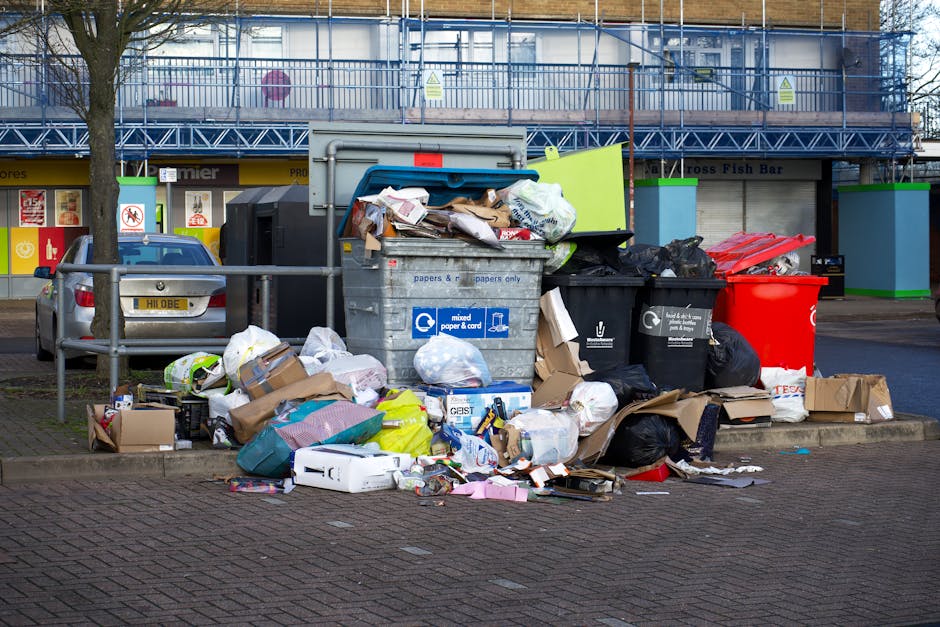
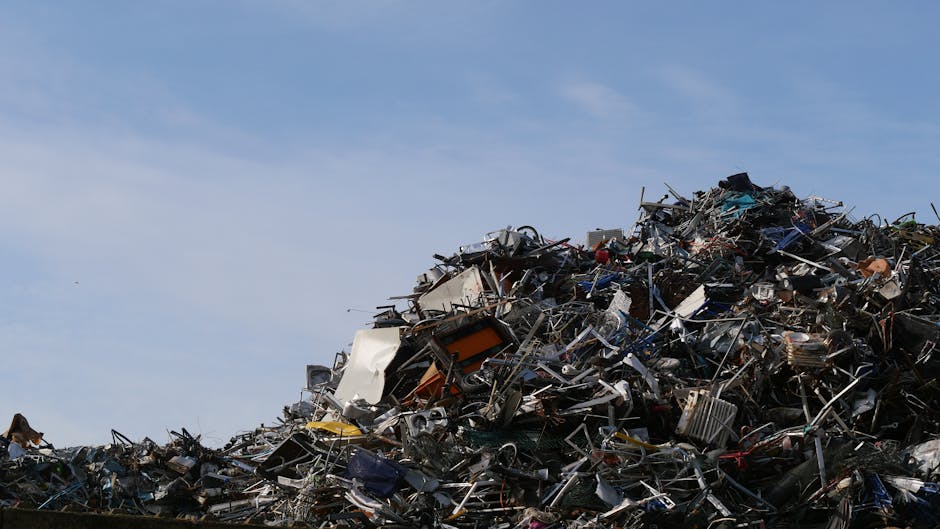
Office Clearance in Twickenham

Office Clearance Twickenham provides a practical service for workplaces that need desks, chairs, filing cabinets, storage, IT items and general office contents removed with care. Whether you are reorganising a suite, emptying a floor, or dealing with surplus equipment after a move, the focus is on clearing the space in a structured way so the next stage of the premises can go ahead smoothly. The service is built around the needs of offices, studios and commercial rooms where access, timing and item handling matter.
We support clearances that call for tidy removal rather than rushed lifting. That can include dismantling selected items, separating reusable furniture from mixed office waste and managing the practical details of getting bulky goods out of tight rooms, lifts or corridors. If you are comparing options, a straightforward survey of what needs to go usually makes the quotation easier to understand and helps you decide whether a partial or full clearance is the better fit.
For a simple starting point, note what you want removed, what should stay and whether there are any access limitations such as restricted parking, upper floors or fragile fixtures. From there, a clear written request can be prepared around the work rather than around assumptions. If you are ready to compare options, ask for a quotation and outline the items involved.
Workspace clearance for changing offices
When an office changes shape, the clearance work often needs to be done in stages. Some clients only need a few redundant pieces taken away, while others require a larger space emptied so refurbishment, redecoration or relocation can begin. The service can be adapted to suit that difference, with attention given to the way furniture, fixtures and mixed contents are separated before removal. That keeps the process organised and avoids treating every item as if it needed the same handling.
Typical office clearance work may involve desks, task chairs, meeting tables, pedestal drawers, shelving, cabinets, reception furniture and assorted back-office items. It may also include boxed paperwork, display units, small appliances and other contents that have accumulated over time. Where equipment needs to be removed alongside furniture, the sequence of clearing is planned so that larger items do not block the route for smaller loads. Our office clearance service is designed to accommodate this kind of mixed workplace content without turning the job into a one-size-fits-all process.
Good planning matters most when the office contains items that are still in use. Separating what stays from what goes helps reduce disruption, particularly in shared buildings and occupied premises. A concise list of categories is often enough to start the conversation:
- furniture to be removed
- items for relocation or storage
- equipment that needs special handling
- materials that should remain on site
Furniture, fixtures and heavier office items

Office clearance usually becomes more complex when the items are large, fixed or awkward to move. Furniture may need to be separated into pieces, and some pieces can only be removed once surrounding items are moved out of the way. That is why careful handling of desks, boardroom tables, filing cabinets and storage systems is often central to the job. The aim is to remove what is no longer wanted while keeping circulation routes, walls and doorways in mind.
Where practical, useful items can be kept together for reuse, while broken or obsolete items can be directed into the appropriate disposal stream. This is especially helpful for mixed offices where one room contains valuable meeting furniture and another contains worn-out storage. Furniture clearance can be useful when the main challenge is the bulk and weight of the items rather than the whole office itself. For surfaces, frames and hardware, a careful dismantle and lift is usually more manageable than trying to force every item out intact.
Heavier office items also raise questions about access and safe movement. Staircases, lifts, narrow corridors and parking arrangements can all affect the order in which the clearance is completed. If a piece is especially large, it may need to be taken apart before it can be moved. That does not automatically make the job complicated, but it does mean the quotation should reflect the practical work involved rather than relying on guesswork.
What can be cleared from a workplace
An office clearance can cover far more than visible furniture. Many workplaces hold a mixture of small items, storage contents and long-unused objects that have built up in cupboards, storerooms and shared areas. Removing those items can make the space more manageable, but only if the job is approached with care and an eye for what actually needs to leave the building. The service should be described plainly, so there is no confusion about whether the clearance is for a single room, a complete unit or selected contents only.
In practice, the work may include archive boxes, filing, shelving, chairs, tables, old screens, small electrical items, redundant décor and general office clutter. A selective approach often works well when the premises still need to function during the process. Business waste removal can be relevant where the main requirement is to clear office-generated waste alongside furnishings, especially if the job includes a wider mix of commercial rubbish rather than only standard furniture.
To make a quotation easier to prepare, it helps to separate the items into broad groups rather than writing a long narrative. A short note about quantity, room location and whether anything is delicate or unusually heavy can save time later. If you can identify the items that are definitely included, the remainder of the clearance can usually be planned around them without unnecessary back-and-forth.
Practical clearances for mixed commercial spaces

Not every workplace is a conventional office. Many commercial spaces combine desks, storage, displays and utility items, and those mixtures require a clearance service that can adapt to the contents on site. The aim is to deal with the actual layout in front of you, not an idealised version of it. That may mean handling reception furniture in one area, boxed materials in another and heavier storage units elsewhere, all within the same organised visit.
Where a property includes garages, stockrooms, workshops or spare rooms used as overflow storage, it can be useful to think about each space separately before the work starts. That helps avoid over-removing items that are still in use and makes the final load easier to judge. Garage clearance can be a helpful reference when the clearance also involves accumulated business storage rather than just standard office furniture. It is the principle of matching the work to the space that matters, not forcing a single format onto every room.
If you are collecting several categories of item into one request, keep the description focused on the practical picture: what is to be removed, what remains, and how many areas are involved. That gives the clearest basis for a quotation. It also helps decide whether the job is best treated as a partial clearance, a room-by-room removal or a more complete emptying of the premises.
Disposal, reuse and the handling of office contents
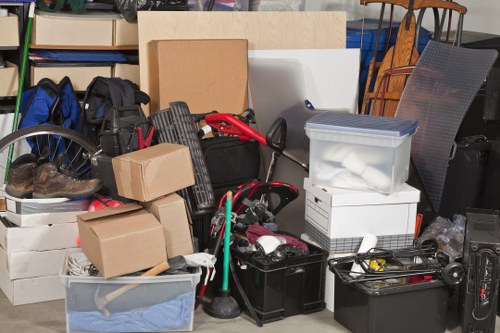
Office clearance is not only about taking items away; it is also about deciding how different materials should be handled once they have been separated. Some office items are suitable for reuse, while others are better treated as general waste or broken-down material. A sensible clearance process allows for those differences rather than bundling everything together. That approach can be particularly important where there are mixed furniture styles, older storage units and assorted equipment within the same premises.
Furniture disposal may be relevant where individual items are no longer fit for use and need to be removed as part of a broader office emptying. In many workplaces, a mix of items creates the challenge: one chair may still be serviceable, while a cabinet, table or shelving unit has reached the end of its useful life. Separating those categories keeps the job more orderly and helps ensure that the clearance reflects the actual condition of the contents.
It can also be helpful to identify anything that is unusually valuable, fragile or sensitive before the clearance begins. Items such as specialist office furniture, framed pieces, stored records or equipment with cables and components may need a different route through the building. A brief note at the quotation stage allows the work to be planned around the contents instead of improvising on the day.
Clearance for storage areas, lofts and tucked-away rooms
Office premises often contain more than the front-facing work areas. Storage cupboards, loft spaces, lower rooms and side areas can absorb old files, spare furniture and forgotten equipment, which makes them important parts of a complete clearance. The key is to clear them in a way that matches the access available and the fragility of what has been stored there. These spaces can be awkward, but they are usually manageable when the route in and out is assessed in advance.
Loft clearance can be relevant where an office building or commercial property includes an overhead storage area that has become crowded with old materials. Even when the loft is not the main part of the job, it can contribute a surprising amount to the overall volume. If you have several storage points across the premises, it is often clearer to describe them separately so the removal plan can be built around the actual load and access conditions.
Before requesting a quotation, it helps to say whether the storage space is easy to reach, whether the contents are loose or boxed and whether anything is to be left behind. That keeps the proposal grounded in practical details. For many clients, the most useful result is a clearer workspace and fewer hidden items occupying rooms that need to be used properly again.
Quotation details and useful preparation

Pricing for office clearance is usually shaped by the amount of material involved, how much labour is needed, and how easy it is to move items out of the premises. A clear quotation benefits from a straightforward description of the job rather than broad assumptions. The presence of stairs, lifts, tight access, parking restrictions or especially heavy items can all affect the work required. If there are multiple rooms, listing them by type can be more useful than trying to describe the whole site in one sentence.
The most practical preparation is simple: identify what should be removed, note anything fragile or fixed, and mention whether the office is occupied during the clearance. If the site includes several types of contents, it is worth separating them into headings before you send the request. Pricing and quotes is a useful place to look if you want to understand how a quotation request is usually framed. Keep the enquiry focused on the current job so the response matches the real scope of work.
If you are ready to move forward, ask for a quotation with a concise summary of the rooms and items involved. That is often enough to begin a sensible conversation about timing and scope. For a quick next step, send the details of the clearance and the premises can be assessed from there.
Office clearance work for different types of business premises
Some clearances involve a standard office, while others are carried out in more varied business premises where stock, furniture and work equipment sit alongside one another. The service is most effective when it is treated as a commercial removal problem rather than only a furniture task. That means looking at the items, the access and the end goal together, so the clear-out supports the next use of the site whether it is being emptied, repurposed or reduced in size.
Home clearance is not the same service, but it illustrates the difference between residential and commercial contents: office jobs often involve more equipment, more uniform furniture and more repeated pieces, whereas other premises may have a wider mix of personal and work-related objects. For workplace clearances, that makes item separation and room-by-room planning especially useful. If you want the work to cover only specific areas, say so clearly at the start.
It is also sensible to think about whether the clearance is routine or part of a bigger change such as relocation, downsizing or a lease handover. The job may be easier if the contents are grouped by area, but the request should still be based on what is actually on site. That keeps the scope accurate and helps avoid omissions later.
Recycling, removal and responsible handling
Office clearances often produce a mixture of materials, and that variety is one reason a careful removal plan matters. Wood, metal, plastic, mixed composites and office paper do not all behave the same way once they have left the room, so the clearance should be organised with separation in mind. The point is not to overstate what happens to every object, but to recognise that different items may require different handling as part of the same job.
Recycling and sustainability can be relevant when you want the clearance to reflect a considered approach to office contents rather than a simple load-and-go removal. If your premises include a lot of repeat furniture, storage hardware or redundant office material, it is worth mentioning that in the enquiry so the clearance can be planned with the right sort of sorting in mind. That keeps the job practical and avoids vague assumptions about the contents.
Where needed, a combination of selective removal and fuller clearance can be arranged so that only the agreed items leave the building. That may be useful if you are keeping some furniture in place, transferring items to another floor or holding back records and equipment for later sorting. A well-scoped request will usually produce a better result than a broad one, especially where the premises still need to remain usable.
About Twickenham
Twickenham is a riverside district in southwest London, long associated with the River Thames, historic houses and a strong sense of place shaped by both transport and landscape. The town centre sits near a broad bend in the river, and the waterfront remains one of its defining features. Twickenham has long been noted for its Georgian and Victorian architecture, with streets close to the centre containing terraces, villas and older commercial buildings that sit alongside later development. The area also has a notable literary and cultural history, especially through connections with Alexander Pope, whose former villa site near the river is remembered in local heritage. Twickenham Stadium, first opened in 1909, has become one of the most recognisable landmarks in the district and gives the name a wider national profile. Beyond the stadium, the area includes green open spaces such as Marble Hill Park and Orleans House Gallery, both linked to the riverside setting and to the survival of historic landscape design. Twickenham station provides a busy rail connection, and the surrounding streets mix residential neighbourhoods with offices, shops and civic buildings. The district’s character is shaped by this blend of river frontage, transport routes, period architecture and civic life, making it one of the more distinctive places in Richmond upon Thames.
Choosing the right scale of clearance
The right clearance service depends on how much needs to go and how the premises are used. A small office might only need surplus furniture and archive clutter removed, while a larger operation could involve meeting rooms, storage areas, filing and several floors of mixed contents. Treating each type of job separately is important because it keeps the scope honest. It also helps when the office includes both everyday furniture and items that need extra care, such as framed displays or equipment with cables and fittings.
Flat clearance is not an office service, but it is a good reminder that scale and layout affect how any clearance is organised. In a commercial setting, the focus is less on domestic rooms and more on keeping work areas clear enough for use while removal takes place. That can mean scheduling the work around access points or breaking the job into sections so that the premises are not all emptied at once. If you know only part of the office needs clearing, say so early.
For many customers, the most helpful approach is to decide what result is needed first and then describe the contents that stand in the way of that result. That may be a cleaner floor plan, less stored clutter or a full emptying before another contractor starts work. A clear outcome makes the quotation more accurate and the practical plan easier to follow.
Making your request clear and complete
When you request a quotation for office clearance in Twickenham, the most useful information is usually the simplest. Say what kind of premises it is, which rooms are involved and what types of items need to be removed. If the clearance includes heavy cabinets, awkward access or mixed commercial waste, include that too. It is generally better to be concise and specific than to write a long message that still leaves out the practical facts that matter on the day.
Two details often make the biggest difference: access and item type. Access tells the clearance team how the job will be carried out, while item type tells them what they are dealing with once inside. If you are unsure whether a room counts as storage, office space or both, describe what is in it instead of trying to classify it perfectly. For the final step, request your quotation with the room list and item summary so the next conversation can stay focused.
Contact us to outline the clearance you need, and we can help turn that description into a practical plan for removal.