TW2 garden waste pickup options for Twickenham flats
If you live in a Twickenham flat, garden waste can be oddly awkward. One week it's a few bags of grass cuttings; the next it's a pile of hedge trimmings, soil-filled pots, and a branch that seemed much smaller before you carried it downstairs. The problem is rarely the waste itself. It's the access, the storage, the lift, the shared bin area, and the simple question of where does all this go?
This guide breaks down TW2 garden waste pickup options for Twickenham flats in plain English. You'll see how collection arrangements usually work, what to check before booking, which option fits different building types, and how to avoid the small mistakes that turn a tidy clear-out into a messy weekend. We'll also cover practical compliance points, resident-friendly planning, and a few real-world considerations that people in flats tend to discover the hard way. Let's make it less annoying, shall we?
Table of Contents
- Why TW2 garden waste pickup options for Twickenham flats Matters
- How TW2 garden waste pickup options for Twickenham flats Works
- Key Benefits and Practical Advantages
- Who This Is For and When It Makes Sense
- Step-by-Step Guidance
- Expert Tips for Better Results
- Common Mistakes to Avoid
- Tools, Resources and Recommendations
- Law, Compliance, Standards, or Best Practice
- Options, Methods, or Comparison Table
- Case Study or Real-World Example
- Practical Checklist
- Conclusion
- Frequently Asked Questions
Why TW2 garden waste pickup options for Twickenham flats Matters
Garden waste pickup matters in flats for a simple reason: flats create bottlenecks. A householder can wheel a bin to the kerb, but apartment living adds stairs, shared entrances, limited storage, and neighbours who quite reasonably do not want a hallway full of damp trimmings on a Sunday evening.
In TW2, many flats sit close to communal gardens, small private courtyards, balconies, or shared planting spaces. That means the waste stream is often irregular. You might not need a regular garden bin service at all. Instead, you need a flexible pickup that can handle one-off bursts after pruning, seasonal tidy-ups, or end-of-tenancy clearances where the planter boxes have become a bit of a jungle.
There's also a presentation factor. Clean, quick removal keeps communal areas looking cared for. That matters in blocks where the first impression starts at the entrance door and continues all the way to the bin store. Nobody wants brown bags leaking from the side passage. Not a good look, truth be told.
From a practical point of view, the right pickup option can also reduce contamination. Garden waste mixed with general rubbish is harder to recycle properly and tends to create more handling issues. A decent collection plan makes sorting easier at source, which is always the safer, cleaner route.
If you're also weighing wider clearance work, it can be sensible to review the company's recycling and sustainability approach before you book. It gives you a better sense of how materials are separated and what happens next.
How TW2 garden waste pickup options for Twickenham flats Works
Garden waste pickup for flats is usually more about planning than brute force. The collection itself may be straightforward, but the access and loading details make all the difference.
In most cases, the process looks something like this:
- You identify the materials to be removed: leaves, grass cuttings, prunings, branches, weeds, soil, or old planting debris.
- You estimate volume and access: can items come down a lift, through a communal corridor, or from a rear garden?
- You choose the most suitable pickup format: one-off collection, small load, larger clearance, or mixed garden-and-light-clearance service.
- You prepare the waste so it can be handled safely and efficiently.
- The pickup team collects from the agreed location and removes the material for sorting and disposal or recycling.
For flats, the pickup often needs to be staged. That means waste may be brought to a ground-floor point first, rather than collected from a balcony or upper-level access point. If the building has tight access, good timing matters. Mid-morning weekday collections can be easier than trying to work around school runs, deliveries, or a packed communal entrance.
There is also a difference between garden waste and general bulky waste. Wet compost, turf, branches, and soil are all handled differently from broken plant pots, old furniture, or builders' rubble. If the job includes mixed items, make that clear early. It saves everyone from surprises and awkward second visits.
When comparing options, you may want to look at the practical side of booking and payment as well. The page on payment and security is useful if you prefer to understand how transactions are handled before confirming a collection.
Key Benefits and Practical Advantages
The biggest advantage of a proper pickup is simple: it gives you your space back. In a flat, space is always the premium. A balcony full of clipped branches or a hallway stacked with bagged leaves becomes clutter very quickly.
Here are the benefits that matter most in real life:
- Less shared-area mess - bags are removed in one go instead of sitting around for days.
- Better neighbour relations - no smell, no muddy trails, no repeated trips through the entrance.
- Safer movement - fewer heavy bags carried up and down stairs or through awkward landings.
- Cleaner recycling outcomes - garden waste is easier to separate when handled properly.
- More predictable timing - especially helpful if you're coordinating with a managing agent or landlord.
There's another upside people often miss: a good pickup can stop garden waste from becoming "temporary storage" in the flat. You know the sort of thing. Two bags in the corner become a third, then a fourth, and suddenly the place smells faintly of wet soil every time the heating kicks in. Charming for a minute. Then not.
For landlords and block managers, a quick garden clearance can also support the overall presentation of the building. It helps keep bin stores clearer, side paths safer, and shared outdoor spaces usable. Small difference, but you notice it.
Practical takeaway: in flat living, the best garden waste pickup is usually the one that reduces handling, fits the building's access, and removes everything in one planned visit rather than several improvised ones.
Who This Is For and When It Makes Sense
TW2 garden waste pickup options for Twickenham flats are useful for a fairly wide mix of people. Some are obvious. Others not so much.
- Flat owners with private patios or balconies who do occasional pruning or container gardening.
- Tenants who are clearing out plant debris before moving out or handing back a terrace.
- Landlords preparing a flat for new occupants after the outdoor space has been neglected for a while.
- Managing agents looking after communal planters, shared courtyards, or landscaped areas.
- Residents' associations organising seasonal tidy-ups across a block or estate.
- Older residents or busy households who simply do not want to deal with bagging and transporting everything themselves.
It makes sense when waste is too much for standard household disposal, too bulky for easy lift transport, or too awkward for a resident to carry in multiple trips. It also makes sense if you have a deadline. End of tenancy. Pre-inspection. A weekend barbecue that happened to reveal six months of dead ivy. That sort of thing.
Sometimes the trigger is not volume, but inconvenience. A few heavy bags can be more difficult than one larger load if you live on the third floor and the lift is temperamental. Anyone who has waited for a lift with a dripping sack of weeds knows the mood.
Step-by-Step Guidance
If you want a smooth collection, planning it properly is half the job. The steps below are practical, not fancy.
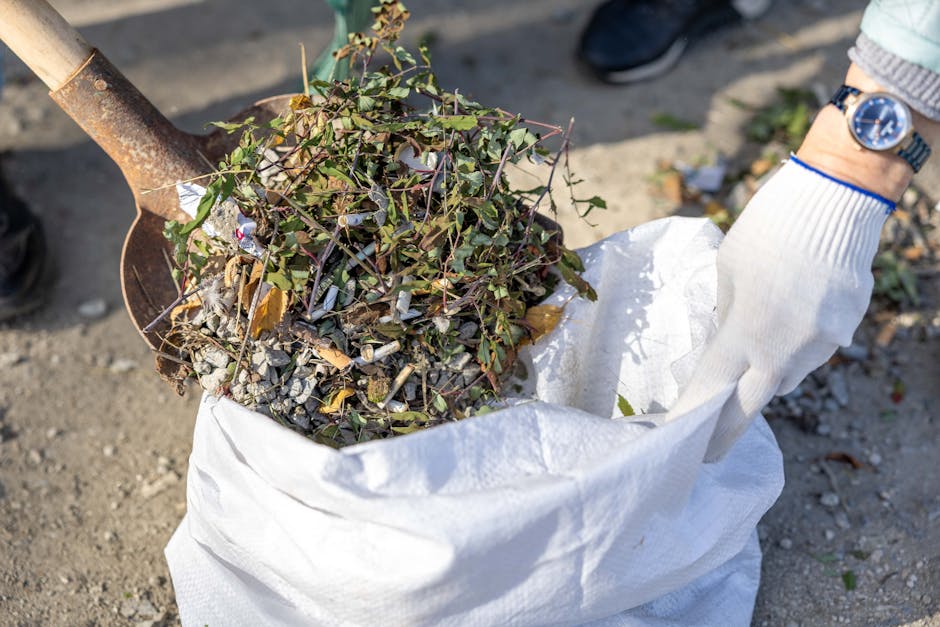
- Sort the material first. Separate green waste from anything else. Leaves, grass, hedge trimmings, branches, and weeds usually sit in the garden-waste bucket. Old pots, broken furniture, and rubble do not.
- Check access carefully. Measure doorways, note stairs, and think about where bags can be staged without blocking the corridor.
- Bundle awkward items. Light branches or long cuttings are easier to move when tied neatly. Keep the ends controlled so nothing catches on railings or handrails.
- Remove excess moisture where possible. Wet waste is heavier and messier. A quick drain-off before collection can make a surprising difference.
- Choose the right collection window. If your building is busy in the evening, book a quieter slot if available.
- Tell the right people. If a managing agent, concierge, or neighbour needs to know about the pickup, let them know early. Fewer awkward moments.
- Confirm the final loading point. The team should know whether waste will be collected from a rear access point, front driveway, or ground-floor holding area.
- Do a final sweep. Small debris is easy to miss. One handful of leaves by the bin store can make a place look untidy again.
A practical example: a flat on a TW2 block with a small courtyard may generate only four bin bags of pruning waste, but if those bags have to move through a shared entrance and down a narrow service route, the logistics become more important than the size. The actual collection can be quick; the prep is what saves time.
Expert Tips for Better Results
After enough clearances, a few patterns become obvious. The first is that access beats volume almost every time. The second is that good preparation reduces cost and stress. And the third? Everyone underestimates how much space a pile of clippings takes up once it's loose.
Here are the tips that genuinely help:
- Cut long stems down before collection. It makes carrying and loading much easier.
- Use sturdy bags or containers. Cheap bags split, and then you're sweeping up soggy weeds. Nobody enjoys that.
- Keep soil separate where possible. Soil is heavy and can change how a collection is priced or handled.
- Photograph the load if you're unsure about volume. A quick image can help explain the job better than a guess.
- Plan around weather. Rain turns manageable waste into heavier waste. A dry day is your friend.
- Protect communal flooring. If waste has to cross shared areas, use sensible lifting, secure bags, and clean up after movement.
One little thing people forget: if you're trimming a balcony planter, check where the cuttings will land before you start. It sounds obvious, but in real life the first cut often lands on the wrong side of the railing. That moment of silence, then a sigh. We've all seen it.
If you want to understand a provider's service ethos a bit more deeply, the about us page can be helpful. It gives context on how the team works and what kind of standards they aim for.
Common Mistakes to Avoid
Most garden waste problems in flats are not dramatic. They're small, repeated mistakes that pile up. Pun not intended, but there it is.
- Mixing garden waste with general rubbish. This creates sorting problems and slows down collection.
- Leaving bags in hallways for too long. They get in the way, and sometimes leak.
- Underestimating branch size. Something that looks small in the garden can become awkward in a lift.
- Forgetting about soil weight. A few tubs of earth can become much heavier than expected.
- Not checking access restrictions. Some buildings have rules about loading bays, lift use, or timed deliveries.
- Assuming all providers handle the same materials. Always check what is and is not accepted.
- Booking too late. If you need the space cleared before an inspection or event, build in a little margin.
Another mistake is choosing the wrong service type. A tiny tidy-up does not need the same setup as a full communal garden clearance. On the other hand, trying to make a full clearance fit into a small-load option can lead to repeat visits. Which is more expensive, more frustrating, and usually more disruptive. Not worth it.
Tools, Resources and Recommendations
You do not need a shed full of specialist kit to manage garden waste in a flat. In fact, too much kit can be the problem. Keep it simple and practical.
Useful items:
- strong rubble sacks or heavy-duty garden bags
- secateurs or loppers for reducing branch length
- gloves for thorny or damp material
- a broom or dustpan for final clean-up
- labels or notes if multiple residents are sharing a collection
Useful planning points:
- confirm who owns the outdoor space before removing anything
- separate garden waste from household recycling
- keep communal walkways clear
- ask about collection timing if the building has access rules
For residents who want a service that fits broader property maintenance needs, it can be worth comparing pricing and service scope first. The pricing and quotes page is a sensible place to start if you want to understand how a collection might be structured before you commit.
If your collection involves handling or moving awkward items through shared spaces, you may also want to review the provider's health and safety policy and insurance and safety information. That is especially relevant in flats, where lift use, stairs, entrances, and resident safety all matter.
Law, Compliance, Standards, or Best Practice
For flat residents, the compliance angle is usually practical rather than dramatic. You are generally dealing with building rules, waste separation expectations, safe handling, and responsible disposal. If you are a leaseholder, tenant, landlord, or managing agent, it helps to check the terms that apply to your building before moving anything large or messy through shared areas.
Good practice usually includes:
- keeping communal areas clean and unobstructed
- avoiding blocked fire routes or exit paths
- separating garden waste from general rubbish where possible
- handling sharp, heavy, or spiky materials safely
- confirming whether the provider can manage the exact waste type
There may also be building-specific rules around loading, parking, or lift use. Those are not always written in a dramatic way, but they matter. A polite message to a concierge or managing agent can save a lot of back-and-forth later.
On the provider side, it is sensible to choose a company that is transparent about its terms and processes. If you want the formal details, the pages for terms and conditions and privacy policy are there to help clarify how the service works and how your information is handled.
If anything feels uncertain, ask before you book. That's the simple best practice. Better a plain question now than a complicated problem on collection day.
Options, Methods, or Comparison Table
Not every flat needs the same garden waste pickup approach. The right method depends on volume, access, and whether the waste is strictly green material or a mixed load. Here's a practical comparison.
| Option | Best for | Strengths | Watch-outs |
|---|---|---|---|
| Small one-off pickup | Light pruning, a few bags, balcony tidy-ups | Quick, simple, low disruption | May not suit mixed or heavy loads |
| Medium collection | Seasonal clear-outs, shared courtyard waste | Good balance of flexibility and capacity | Needs clearer access planning |
| Larger clearance visit | Overgrown terraces, communal planters, move-out jobs | Handles awkward volumes and mixed waste better | More prep needed, access becomes critical |
| Staged pickup | Buildings with limited lifts or tight corridors | Reduces congestion and resident disruption | Requires coordination and clear timing |
If you are a resident with just a handful of bags, the smaller option usually makes the most sense. If you are coordinating with neighbours, or if the waste includes soil, large branches, and planters, a larger or staged collection is often the calmer choice. Calm is underrated.
Case Study or Real-World Example
Here's a realistic example from a typical Twickenham flat scenario. A resident with a first-floor terrace spent a spring weekend pruning jasmine, cutting back a few overgrown shrubs, and clearing a planter that had turned into a tangle of roots and old compost. On paper, it looked like "three or four bags." In reality, once the cuttings were tied, the soil was separated, and the bulky stems were bundled properly, the load took up more room than expected.
The key decision was not how much waste there was, but how to move it through the building without making a fuss. The resident staged everything near the ground-floor exit, avoided peak hallway traffic, and had the bags ready before the collection window. The result was neat, fast, and far less stressful than trying to do it in multiple trips.
What made the difference? Three things:
- sorting early instead of at the last minute
- keeping the load dry and contained
- planning the collection around the building's access pattern
That sort of job is very common in flats. Small job, but not a simple one. And once you've done it well, the outdoor space suddenly feels usable again. You can hear the difference, oddly enough. Less rustle, less clutter, more open air.
Practical Checklist
Use this checklist before arranging your pickup:
- Have I separated garden waste from household rubbish?
- Do I know whether soil, pots, or mixed materials are included?
- Is the waste easy to move from the flat to the pickup point?
- Have I checked the building's access rules or timing restrictions?
- Are the bags or containers strong enough for damp waste?
- Have I reduced branches or long stems where needed?
- Is the pickup point clear and safe for everyone using the building?
- Have I asked for pricing or service details if I'm unsure?
- Do I need to notify a managing agent, concierge, or neighbour?
- Have I left enough time before any inspection, move-out, or event?
Quick summary: the smoother the prep, the simpler the pickup. In flat living, that really is the trick.
Conclusion
TW2 garden waste pickup options for Twickenham flats are all about making a small, awkward task feel manageable. The best solution is rarely the fanciest one. It is the one that fits your building, your access, your volume, and your timing without creating extra mess in the process.
If you plan carefully, separate materials properly, and choose a pickup method that suits flat living, the job becomes much easier. No dragging bags through the hallway more times than necessary. No last-minute panic. Just a clear, tidy result and a bit more breathing room on the balcony or in the courtyard.
If you are comparing service details, standards, and next steps, it helps to look at the provider's information pages as part of your decision. And if you want to understand the people behind the service, the contact page is the natural place to start a conversation.
Get a free quote today and see how much you can save.
Sometimes the smallest clear-out makes the biggest difference. Especially in a flat.
Frequently Asked Questions
What are the best TW2 garden waste pickup options for Twickenham flats?
The best option depends on volume and access. For a few bags, a small one-off pickup is usually enough. For shared courtyards, overgrown terraces, or mixed green waste, a larger or staged collection is often the better fit.
Can garden waste be collected from a flat balcony?
Usually, the waste is first brought to a safe ground-floor or agreed collection point. Balcony pickup directly from the rail side is rarely practical and can be unsafe. It is better to plan a controlled route through the building.
Do I need to separate soil from garden cuttings?
Yes, if you can. Soil is heavier and often handled differently from green waste. Separating it helps make the collection clearer and can avoid unnecessary complications.
How much garden waste can I book for a flat clear-out?
That depends on the collection type and the access to your building. A small tidy-up may need only a few bags, while a courtyard or communal garden could require a much larger collection. It is worth describing the load as accurately as possible.
What if my block has a narrow entrance or no lift?
Then access planning becomes the main priority. Staging bags at ground level, using sturdy packaging, and choosing a quiet time slot can make the collection far easier. A good provider will want to know about this in advance.
Is it okay to mix household rubbish with garden waste?
It is better not to. Mixing waste can affect sorting, handling, and the overall efficiency of the pickup. Keep garden waste separate wherever possible.
When is the best time to arrange garden waste pickup for flats?
The best time is usually before the waste becomes a nuisance. If you have an inspection, tenancy change, or communal tidy-up, book early enough to avoid a rush. A little lead time goes a long way.
Can landlords arrange garden waste pickup for multiple flats?
Yes, and it can be a sensible way to handle shared gardens, communal planting, or regular maintenance issues. The key is to define what is being removed and where the waste will be staged.
How do I know if a provider is suitable for flat access?
Look for clear information about access, handling, safety, and what types of waste are accepted. It also helps if the company is transparent about pricing and service steps before you book.
Is there anything I should do before collection day?
Yes. Separate the waste, secure loose material, check the route, and notify anyone else who needs to know. Even a ten-minute prep can save a lot of time and bother later.
What should I ask about before I confirm a booking?
Ask what waste is accepted, whether soil or mixed materials are included, how access should be prepared, and what the pickup process looks like. If you are unsure about cost or timing, it is also sensible to check the company's booking and payment details first.
Why does sustainability matter for garden waste pickup?
Because green waste is far better handled separately than dumped into general rubbish. Responsible sorting and recycling reduce avoidable waste and make the collection more efficient. In a flat, that small bit of care really shows.