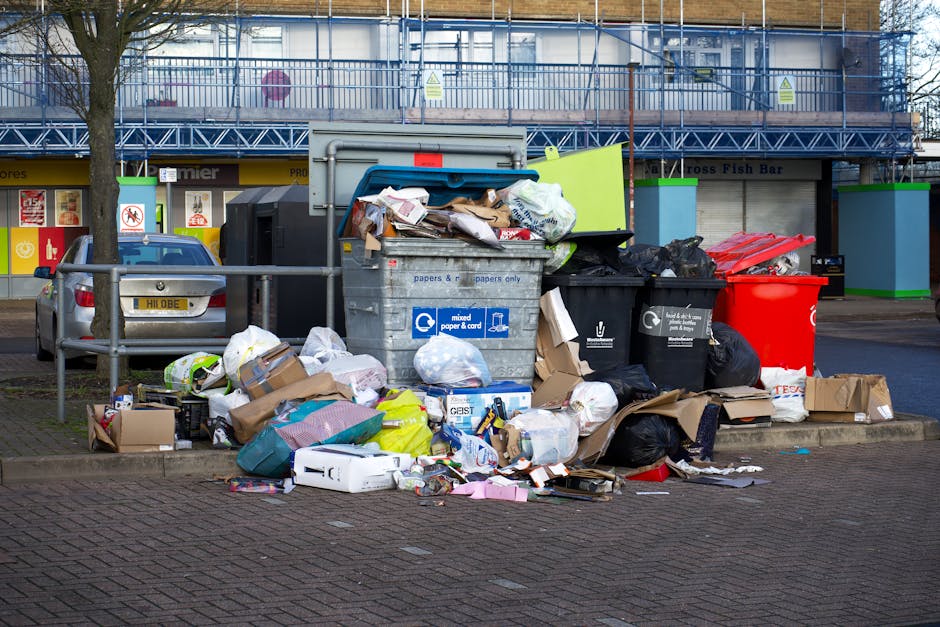
TW1 rubbish collection for Richmond Road homes

If you live on Richmond Road, you know how quickly household rubbish can build up. One week it is a couple of bin bags and some packaging; the next, it is an old chest of drawers, a broken chair, and a box of things you meant to sort out months ago. TW1 rubbish collection for Richmond Road homes is really about making that process simpler, tidier, and far less stressful. It suits busy households, moving dates, renovation projects, and those awkward clear-outs that never seem to fit neatly into a normal bin day.
This guide explains how local rubbish collection works, what to expect, what it can solve, and where it fits alongside other services such as general waste removal, home clearance, and furniture disposal. We will keep it practical. No fluff, no mystery, just the kind of detail that helps you make a decent decision without spending your whole evening on it.
Expert summary: If your waste is too bulky, too mixed, or too much for standard collection days, a flexible rubbish collection service can save time, reduce mess, and help you avoid the usual "where do we put this?" shuffle outside the front door.
Why TW1 rubbish collection for Richmond Road homes Matters
Richmond Road homes have the same basic rubbish problem as everywhere else, but the way it shows up can be a little different. Flats above shops, narrow entrances, shared access, limited on-street space, and busy traffic all make waste handling feel more awkward than it should. Truth be told, even a small clear-out can become a chore if bags are sitting by the hallway, bins are already full, or the council collection date is still days away.
That is why a reliable rubbish collection option matters. It is not just about getting rid of waste. It is about keeping the property usable, safe, and presentable. If you are preparing for visitors, getting a property ready to let, or trying to reclaim a spare room that has become a storage cave, the timing matters just as much as the removal itself.
There is also a practical side. Some items are too bulky for regular household bins. Some waste is mixed, meaning it needs sorting before disposal. Other items are recyclable, reusable, or require extra care because they contain glass, wood, metal, or electrical components. A decent service understands those differences and handles them without turning your front step into a small landfill of regret. Nobody wants that, really.
For homeowners and tenants in TW1, the biggest value is often peace of mind. You know the rubbish has gone. You know it was taken away properly. And you can get on with the day instead of juggling bags around the back garden or trying to squeeze a broken wardrobe into a hatchback. Nice, straightforward, done.
How TW1 rubbish collection for Richmond Road homes Works
The process is usually more flexible than people expect. In most cases, it begins with a description of what needs removing. That might be a few bin bags, old furniture, builder's offcuts, garden waste, or a full room clear-out. The clearer you are at the start, the smoother the job tends to be.
From there, a provider will usually assess the type and volume of waste, then offer a collection arrangement that suits the property and access. On Richmond Road, access can matter quite a lot. A ground-floor flat with direct entry is one thing. A top-floor apartment with tight stairs and no parking nearby is another. The service should account for that. If it does not, you will feel it on the day.
Many collections involve loading items directly from the property, which keeps the work moving and reduces the need for you to haul everything outside beforehand. That is especially useful if the rubbish includes awkward items such as wardrobes, mattresses, broken shelving, or garden cuttings that are heavy but oddly bulky. Some services are also better suited to mixed loads, where you have a combination of household rubbish and larger items.
One thing to keep in mind: rubbish collection is not the same as a casual tip run. Proper sorting, safe lifting, and suitable disposal all matter. If a provider also offers services like house clearance or garage clearance, that can be helpful when a small rubbish pile grows into a more substantial project.
Key Benefits and Practical Advantages
The obvious benefit is less mess. But the real value goes further than that. A good rubbish collection service can save time, reduce physical effort, and stop clutter from spilling into parts of the home where it does not belong. You know how it goes: one bag in the corner becomes three bags, then a chair, then a bag of cables nobody can identify. Suddenly the room is just "storage."
Here are the main advantages local residents usually care about:
- Speed: waste can be removed far faster than waiting for the next scheduled bin collection.
- Convenience: less lifting, less sorting, less loading into a car.
- Flexibility: helpful for one-off clearances, moving days, post-renovation jobs, or inherited belongings.
- Better presentation: useful if you are renting, selling, hosting, or simply trying to breathe a bit easier in your own home.
- Reduced stress: not glamorous, but very real.
There is also a subtle safety benefit. Piles of rubbish can create trip hazards, block hallways, attract pests, or make cleaning harder than it needs to be. That matters in family homes, shared accommodation, and small flats where space is already at a premium. A clear floor is a calmer floor.
If your waste includes old sofas, tables, beds, or other large household items, it can be more efficient to pair rubbish collection with furniture clearance. And if the job includes a mixture of general clutter and utility items, home clearance often makes more sense than trying to split everything into separate jobs.
Who This Is For and When It Makes Sense
This kind of collection suits a wide range of Richmond Road households. You do not need to be tackling a full renovation or a dramatic downsizing event. Sometimes the service is simply the practical answer to a normal-life mess that has got slightly out of hand. Which, let's face it, happens.
It is often the right choice for:
- homeowners clearing out lofts, spare rooms, sheds, or understairs cupboards
- tenants moving out and needing to remove leftover items
- landlords preparing a property for the next occupier
- families dealing with accumulated clutter after years of storage
- people replacing furniture and needing the old items taken away
- gardeners dealing with a heavy seasonal tidy-up
- anyone with bulky waste that will not fit into ordinary bin services
It also makes sense when you need the job handled quietly and efficiently. Richmond Road is not the place for endless back-and-forth with bags and bins. If you have limited time, limited parking, or limited enthusiasm for sorting through dusty boxes on a wet Tuesday morning, a professional collection service can be a sanity-saver.
For more involved clear-outs, you may want to look at related options like loft clearance or flat clearance. Those services are particularly useful where waste sits in hard-to-reach places or where access is the main headache rather than the waste itself.
Step-by-Step Guidance
If you want the collection to go smoothly, a little prep goes a long way. Nothing dramatic. Just a bit of order. Here is a sensible way to approach it.
- Identify what needs removing. Separate general rubbish, bulky items, and anything that could be recycled or reused.
- Check access points. Note stairs, narrow halls, parking restrictions, and any items that might need two people to carry safely.
- Take photos if needed. This helps create a clearer estimate and avoids confusion on the day.
- Ask what can be taken. Not every collection handles every material in the same way, so it is better to ask early.
- Clear the route. Move shoes, mats, bikes, and anything else that might slow loading.
- Confirm timing. If you need a collection before moving day or before a rental changeover, build in a bit of breathing room.
- Keep essentials separate. It sounds obvious, but important documents, chargers, medication, and keys have a habit of hiding in "rubbish" piles.
On the day itself, you want the process to feel almost boring. That is a good sign. If the collection is organised properly, it should move from assessment to loading to disposal without drama. And if there is drama, well, waste removal is probably not supposed to be dramatic.
If you are mainly dealing with old household items, you may find a combination of furniture disposal and broader waste removal more practical than trying to manage multiple separate arrangements.
Expert Tips for Better Results
A few small decisions can make the whole experience noticeably easier. In our experience, the best collections are usually the ones where the client has done a tiny bit of sorting before anyone arrives. Nothing fancy. Just enough to avoid the old "is this going too?" conversation for the fifth time.
- Group similar items together. Put electronics together, furniture together, and loose rubbish together where possible.
- Be honest about access. A narrow staircase, no lift, or awkward parking is not a problem if it is mentioned early.
- Choose the right service level. If you have mixed waste, a general rubbish collection may be better than a single-item pickup.
- Keep recyclable material separate if you can. That helps with sorting and can support better reuse or recovery outcomes.
- Use daylight when possible. Morning collections often make checking access and lifting items easier.
A small but useful tip: open loft hatches, garage doors, or side access routes before the team arrives. It saves time and avoids that awkward pause where everyone is standing around thinking, "Right, where did we put the step ladder?"
If sustainability matters to you, ask about the provider's recycling approach. A responsible operation should explain how different waste streams are handled and how recyclable material is separated where possible. You can also review broader information on recycling and sustainability practices before booking.
Common Mistakes to Avoid
The most common mistake is underestimating how much waste there actually is. One bag here and one box there can be deceptive. Once everything is gathered in one place, it often turns into a much bigger job than expected. That is not a failure; it is just life being slightly cheeky.
Another common problem is not checking what the service can and cannot take. Some items require special handling, and some waste should be separated in advance. If you assume everything can go in one load, you may end up with delays or extra sorting on the day.
Other mistakes include:
- leaving it too late before a move-out or renovation deadline
- forgetting to measure bulky items against stairwells or doorways
- not protecting floors or walls in tight access areas
- mixing general rubbish with items you actually want to keep
- choosing a provider without checking safety and insurance basics
That last point matters more than people think. A reputable operator should be clear about how jobs are managed, how staff work safely, and how the service is insured. If you are comparing providers, it is sensible to look at their insurance and safety information and their health and safety policy. Nothing flashy. Just sensible due diligence.
Tools, Resources and Recommendations
You do not need specialist equipment to prepare for rubbish collection, but a few basic tools make things much easier. Think tape measure, sturdy gloves, strong bags, labels, and a torch if you are dealing with a loft, cellar, or rear cupboard. A phone camera helps too, especially if you want to document what is being removed.
For larger jobs, the most helpful "tool" is actually a plan. A quick room-by-room sweep can reveal waste you forgot about: broken lamps, old bedding, unused toys, empty boxes from deliveries, and the one chair nobody has sat on since 2018. Funny how that happens.
Useful practical recommendations include:
- make a rough list before you request a collection
- identify any heavy or fragile items separately
- check whether you need help with furniture, loft, garage, or garden waste
- keep pets and children away from the loading area on the day
- if payment is involved, review the provider's process in advance through payment and security guidance
If your clear-out includes old sofas, cabinets, or awkward household pieces, it may help to compare furniture clearance with furniture disposal. The right choice depends on whether you want a broader removal service or a more focused item-based collection.
Law, Compliance, Standards, and Best Practice
Waste collection in the UK sits within a framework of legal responsibility and practical best practice. You do not need to become a waste-law expert to book a service, but it does help to know the basics. The main idea is simple: rubbish should be handled safely, transferred responsibly, and sent for appropriate disposal or recovery where possible.
For residents, the biggest issue is usually making sure rubbish is passed to a legitimate operator and not dumped somewhere it should not be. Fly-tipping causes real problems for neighbourhoods, and once waste leaves your property, it is wise to know it is being handled properly. A trustworthy provider should be able to explain its process in plain English without sounding evasive.
Best practice also includes safe lifting, sensible segregation of recyclable material, and careful handling of hazardous or restricted items. If you are unsure whether something can be collected, ask before the appointment rather than trying to hide it under a blanket and hoping for the best. That rarely ends well.
For general peace of mind, it is also worth checking the provider's public policies. Pages such as about the company, terms and conditions, and complaints procedure help you understand how the service operates and what standards it aims to meet.
Options, Methods, and Comparison Table
There are a few ways to deal with rubbish on Richmond Road, and the best one depends on volume, access, urgency, and the type of waste involved. For a single bag or two, standard household disposal may be enough. For anything bulkier or more awkward, a collection service usually saves time and hassle.
| Method | Best for | Advantages | Limitations |
|---|---|---|---|
| Standard council-style bin disposal | Small, routine household waste | Simple and familiar | Not suitable for bulky items or larger clear-outs |
| DIY loading and transport | People with a vehicle and time to spare | Control over timing and sorting | Heavy lifting, parking, and multiple trips can be tiring |
| Professional rubbish collection | Mixed waste, bulky items, urgent clear-outs | Convenient, efficient, less physical effort | Usually depends on volume and access |
| Room-by-room clearance service | Big declutters, move-outs, inherited property contents | More comprehensive and organised | May be more than you need for a small job |
If your job is mostly one room or one outbuilding, a targeted service can be the sweet spot. If it is spread across the loft, garage, and spare bedroom, then a broader collection approach may be easier. In that situation, garage clearance or loft clearance may fit the job better than a general rubbish pickup alone.
Case Study or Real-World Example
Imagine a Richmond Road household getting ready for a spring refresh. The owners have lived there for years, and the spare room has quietly become a holding zone for old office chairs, broken boxes, a disused printer, and three bags of things they meant to donate. In the hallway, there is a folded table that no longer opens properly. In the garden, a few bags of cuttings are waiting after a tidy-up that started with good intentions and ended with sore shoulders.
They do not need a full house clearance. They just need the right rubbish collection at the right time. They sort obvious keepsakes first, measure the larger items, and note that the stairs are narrow. They also mention that parking outside can be tight for most of the day. That information matters. With it, the collection is planned properly, the load is removed in one visit, and the room is usable again by late afternoon. Simple on paper, but a huge relief in real life.
That kind of job is very common. Not dramatic. Not huge. Just enough clutter to drain energy every time you look at it. Once cleared, though, the whole place feels lighter. The air changes a bit. Even the noise seems softer when the room is no longer full of stuff. Strange, but true.
Practical Checklist
Use this checklist before your collection day. It keeps things tidy and reduces the chance of a last-minute panic.
- Have you identified everything that needs to go?
- Have you separated items you want to keep?
- Do you know whether the waste is general, bulky, recyclable, or mixed?
- Have you checked access, stairs, gates, and parking?
- Are there any fragile or awkward items that need special handling?
- Have you asked about safety, insurance, and disposal practices?
- Do you need related services such as builders waste clearance for renovation debris or garden clearance for outdoor waste?
- Have you checked timing against move-out, contractor, or family plans?
- Are valuables, documents, and essentials stored safely away?
- Have you prepared a clear path from the property to the collection point?
A clean checklist is boring. And that is exactly what you want. Boring is efficient. Boring is calm.
Get a free quote today and see how much you can save.
Conclusion
TW1 rubbish collection for Richmond Road homes is about more than removing unwanted items. It is about making the property easier to live in, easier to move through, and easier to manage without the constant background irritation of clutter. For many households, the biggest win is not just the cleared space, but the sense that the home is back under control.
Whether you are clearing after a move, sorting a neglected room, or just dealing with waste that has outgrown the bins, the sensible approach is the same: plan a little, be clear about access, choose the right type of collection, and make sure the waste is handled responsibly. That way, the job feels orderly instead of chaotic. And honestly, that matters more than people say.
If you are weighing up the next step, start with the waste you can see, then think about the space you want back. Once that picture is clear, the decision usually becomes much easier. One good collection can take the pressure off in a way that lasts longer than you expect.
Frequently Asked Questions
What does TW1 rubbish collection for Richmond Road homes usually include?
It typically covers general household rubbish, bulky items, mixed waste from clear-outs, and other non-hazardous items that are awkward to manage through ordinary bin collections. The exact scope depends on the provider and the type of waste.
Is this suitable for flats as well as houses?
Yes. It can work well for both, although flats may need a bit more planning around stairs, lifts, and parking. Access is often the main thing that affects how smoothly the collection goes.
How far in advance should I arrange a collection?
As early as you reasonably can, especially if you are moving out, expecting contractors, or trying to fit the work into a tight schedule. Even when a service is flexible, a little notice gives you more options.
Can I include furniture with my rubbish collection?
Often, yes. Large household items such as tables, chairs, wardrobes, and sofas are commonly handled through rubbish or furniture-focused services, depending on what needs removing and how much there is.
What if I only have a few bags of rubbish?
That may still be worth arranging if the bags are awkward to transport, if you do not have a suitable vehicle, or if you want them gone quickly. Small jobs can be surprisingly annoying when left to pile up.
How do I know whether my waste can be collected?
The safest approach is to describe the items clearly and ask before booking. If you have a mix of household clutter, furniture, garden waste, or renovation debris, it is better to be specific than vague.
Does rubbish collection help with end-of-tenancy clear-outs?
Yes, it often does. End-of-tenancy jobs are one of the most common reasons people arrange a collection, especially when there are leftover items, old furniture, or extra bags that will not fit into normal disposal routines.
What should I do before the team arrives?
Separate keep-items from waste, clear access routes, check parking, and make sure valuables are safely stored. If possible, group similar items together so the loading process is quicker and more organised.
Is it better to use a rubbish collection service or do it myself?
That depends on volume, access, time, and whether you are comfortable lifting and transporting the items yourself. DIY can work for small loads, but professional collection tends to be easier for bulky or mixed waste.
What if my waste includes garden or loft items too?
Then a broader service may be more suitable. Garden clutter, loft contents, and garage waste often benefit from being collected together rather than tackled as separate mini-jobs. It saves time and reduces repetition.
How can I make sure my rubbish is handled responsibly?
Choose a provider that is clear about disposal practices, safety, and recycling. Good operators should be able to explain how they manage different waste streams and what happens after collection.
Where can I learn more about related services?
You can explore related pages such as waste removal, home clearance, and recycling and sustainability to understand which option fits your situation best.