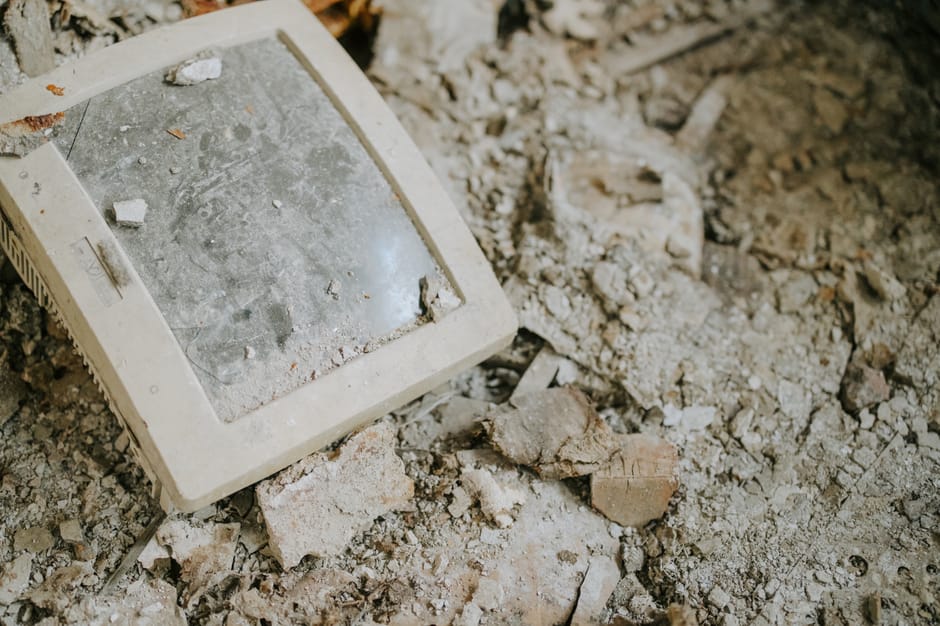
Broken TV e-waste collection in Twickenham
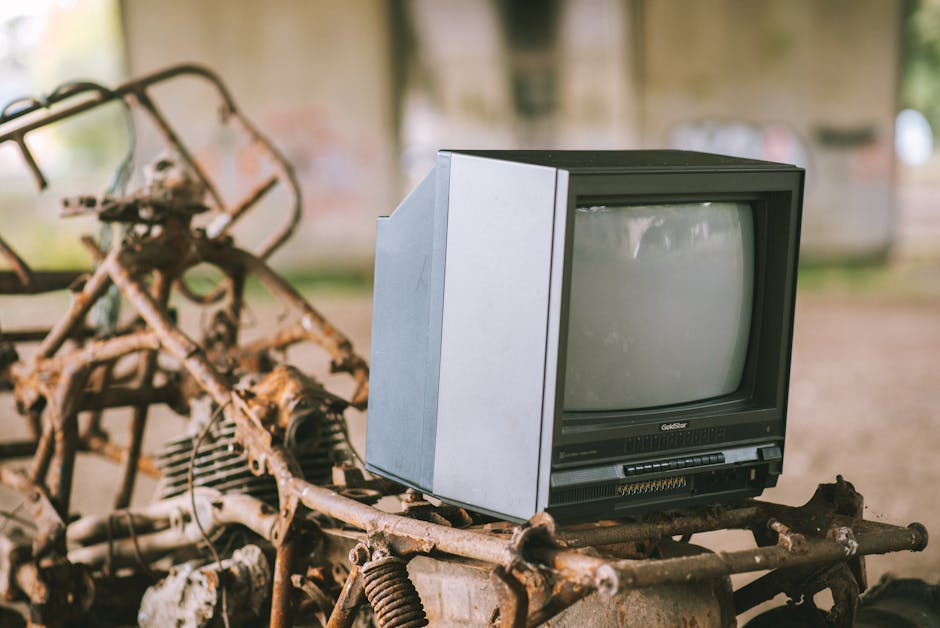
If you've got a broken TV sitting in the spare room, hallway, loft, or garage, you already know how annoying it can be. It's bulky, awkward to move, and not something you can just toss out with ordinary rubbish. Broken TV e-waste collection in Twickenham gives you a cleaner, safer way to deal with it, especially when the screen is cracked, the unit is too heavy to carry, or you simply want the thing gone without drama.
For many people, the problem is not just disposal. It's timing, access, safety, and knowing where the TV should go next. This guide walks through how the collection process works, what to expect, what to avoid, and how to choose the most sensible route for a home, flat, office, or mixed-property clearance in Twickenham.
It's practical, straightforward, and yes, it saves the sort of faff nobody wants on a busy weekday.
Why Broken TV e-waste collection in Twickenham matters
Broken televisions are not just another item of household clutter. They contain electrical components, circuit boards, plastics, and often materials that need proper handling. Even when a TV looks harmless, it should be treated as electronic waste rather than general rubbish. That matters for both environmental and practical reasons.
In a place like Twickenham, where homes range from riverside flats to family houses and shared accommodations, storage space is often limited. A dead TV can sit around for weeks because nobody wants to carry it down stairs, around tight corners, or through a narrow communal hallway. Then it becomes one of those objects you stop noticing until it's somehow in the way every single day.
Proper e-waste collection also helps reduce the risk of damage during removal. A cracked screen can shed sharp fragments. Older models may be heavier than they look. Large flat-screen sets can be awkward enough to strain your back if you try to shift them alone. To be fair, it's one of those jobs that looks simple until you actually lift the thing.
There's also the wider responsibility side. Responsible disposal keeps reusable parts and recyclable materials in the right stream. That is where recycling and sustainability practices become genuinely relevant, not just a nice phrase on a page. If the aim is to clear space without creating another problem elsewhere, TV e-waste collection makes a lot of sense.
Expert summary: A broken TV should be treated as electrical waste, not ordinary rubbish. The safest route is a collection method that handles lifting, transport, and recycling in one organised visit.
How Broken TV e-waste collection in Twickenham works
Although every collection service has its own process, the general flow is usually simple. You request removal, give a quick description of the TV, and arrange a suitable time. If the item is large, heavy, wall-mounted, or in a tricky location, that detail helps the team prepare properly. Small details matter here. A TV on a stand in the front room is a different job from one tucked behind boxes in a loft.
On collection day, the team will usually assess access, confirm the item, and remove it safely. In some cases, the television may be moved with other e-waste or unwanted items during a wider clearance. That is where services such as general waste removal can help if you are clearing more than just the TV. If the television came from an office or workspace, it may also fit naturally into office clearance planning.
Once collected, the unit is transported for sorting, recycling, or appropriate disposal. Broken TVs are not usually treated as one-size-fits-all rubbish. Some parts can be separated, some materials may be recycled, and the rest must be handled responsibly. That final stage is where proper process makes the difference between a tidy job and a messy one.
If you're comparing providers, it's worth checking the service details and arranging the job through a team that explains what happens next. If you want clarity on the practical side, the pricing and quotes page is the sensible place to look before booking anything.
Key benefits and practical advantages
The obvious benefit is that the broken TV disappears. But the real value is bigger than that.
- Safe handling: No wrestling a heavy screen down the stairs on your own.
- Less clutter: Frees up space in a spare room, loft, storage cupboard, or garage.
- Better compliance: Electrical waste is handled more appropriately than ordinary household rubbish.
- Time saved: No need to borrow a car, search for disposal rules, or make multiple trips.
- Cleaner finish: One visit can solve a problem that has been hanging around for ages.
There is also peace of mind. A lot of people keep broken electronics around because they are unsure what to do next. Once you have a clear route, the decision becomes easy. And oddly enough, that small decision can make a room feel calmer. Less visual noise. Less "I must deal with that later."
If your TV is part of a larger tidy-up, collection can fit with other household or property clearances. A home that needs more than one item removed may benefit from broader services such as home clearance or, for bigger household jobs, house clearance. That can be especially useful after a move, refurbishment, or a seasonal sort-out when everything seems to arrive in one pile.
Who this is for and when it makes sense
Broken TV collection is useful for more people than you might first think. It is not just for people with a giant wall-mounted screen that has gone blank. It can make sense if you have a compact bedroom TV, a living room set with a damaged panel, an older model in storage, or an appliance left behind by previous occupants.
Typical situations include:
- households replacing a dead television with a new model
- landlords clearing a flat after tenants move out
- estate clearances where electronics need removing with care
- offices disposing of old screens or reception room equipment
- homeowners tidying a loft, garage, or spare room
- people in flats who cannot easily carry bulky items downstairs alone
Sometimes it makes sense simply because the item is in the way. Let's face it, a broken TV can become a stubborn piece of furniture in all but name. It sits there, gathers dust, and gets moved around every time you want to vacuum. That gets old fast.
If you are tackling more than one room, consider whether the TV is part of a wider clearance. You may find that flat clearance or loft clearance is the more efficient option, especially when access is tight or there are several bulky items to remove together.
Step-by-step guidance
If you want the process to go smoothly, a bit of preparation helps. Nothing complicated, just a few sensible steps.
- Check what you have. Note the size of the TV, whether it is cracked, whether it still powers on, and whether there are extras such as a stand, remote, or wall bracket.
- Look at access. Think about stairs, narrow hallways, parking, controlled entry, or time restrictions in a building.
- Decide whether it is standalone or part of a bigger clearance. If there are other items to remove, it may be easier to handle them together.
- Ask for a quote or collection detail. Clear descriptions help prevent surprises later.
- Prepare the area. Move small objects away, clear the path, and if the screen is cracked, avoid pressing on it or shifting it unnecessarily.
- Arrange the collection. Choose a time that works with your schedule and building access.
- Make the handover simple. Be ready to point out the item so the job can be completed quickly.
A small real-world example: a resident in a Twickenham flat might keep a broken 50-inch TV in a corner because there is nowhere else to put it. The collection team arrives, moves it carefully through the communal area, and the room is suddenly usable again. Just like that. It is not glamorous, but it is satisfying in a quietly excellent way.
Expert tips for better results
After dealing with enough awkward items, a few practical habits stand out.
- Keep the TV upright where possible. Cracked screens are fragile, and tipping them around too much can make things worse.
- Do not tape over broken glass unless needed for safety. If a screen is already shattered, avoid handling it more than necessary.
- Remove loose accessories early. Power cables, remotes, and stands can be set aside before collection day.
- Measure access points. Door widths, stair turns, and lifts matter more than people expect.
- Tell the collector about any restrictions. Parking permits, time-limited access, and building rules are all worth mentioning up front.
One other tip: if the TV has been sitting in a damp garage or cold loft, mention that too. It may affect how carefully it needs to be handled. Not every item needs a drama, but some do need a little extra thought.
If you are trying to keep costs sensible, bundling related items can sometimes be more efficient than separate visits. A TV collection combined with furniture disposal, for example, can simplify the whole job. The same goes for larger household clear-outs where furniture disposal or furniture clearance is already on the list.
Common mistakes to avoid
A broken TV seems harmless until the disposal stage. Then the usual mistakes start to appear.
- Leaving it beside general rubbish. E-waste is not the same as mixed household waste.
- Trying to carry it alone. This is one of the quickest ways to strain your back or damage the screen further.
- Forgetting access details. A team can only work efficiently if they know about stairs, parking, or entry restrictions.
- Assuming all TVs are the same. Old plasma sets, large LCD screens, and compact models can behave very differently during lifting.
- Waiting too long. The longer a broken TV sits around, the more likely it is to become an obstacle or collect damage.
There is also the classic mistake of treating a wall-mounted TV as if it is already "almost removed." It is not. Brackets, cables, fixings, and hidden weight all need attention. A quick look is not enough. Better to be honest about the job than to discover halfway through that the wall mount is still in place and everyone is now standing there with that slightly embarrassed silence.
Tools, resources and recommendations
You do not need much to prepare for broken TV collection, but a few simple things help.
- A tape measure: useful for checking access and the TV size.
- Gloves: especially helpful if the screen is damaged or there are sharp edges.
- Basic notes on the item: brand, size, wall-mounted or freestanding, and whether accessories are included.
- A clear path to the item: this matters more than a perfect plan.
For related property work, it can help to know what else is being cleared. If the broken TV is one part of a bigger tidy-up, the right service may also involve garage clearance, house clearance, or even business waste removal for mixed commercial premises. That is where a bit of planning saves a lot of shuffling around later.
Practical recommendation: before collection day, take a quick photo of the TV and where it is positioned. It sounds small, but it helps if you need to describe access or confirm the item. Simple, useful, done.
Law, compliance, standards, and best practice
For electrical items, the main principle is straightforward: broken TVs should be treated as waste electrical and electronic equipment rather than mixed waste. The exact handling route can vary depending on the item, the service provider, and whether the TV is residential or commercial. It is sensible to follow UK best practice and use a method that supports responsible recycling and traceable disposal.
For households, the main concern is safe disposal and avoiding fly-tipping or improper dumping. For businesses, there can be extra record-keeping, duty-of-care expectations, and a stronger need to show that waste has been passed to a suitable carrier. If your TV came from an office or commercial setting, ask for a process that fits your internal policies as well as your practical needs.
Good providers should also take safety seriously. That means careful lifting, attention to damaged glass, and sensible transport procedures. If you want reassurance on handling and site safety, it is worth reviewing the company's health and safety policy alongside any details on insurance and safety. Those pages are not just paperwork. They tell you how seriously the business treats the job.
For transparency around service terms and payment handling, it is also sensible to check terms and conditions and payment and security. And if you want to understand who is handling your collection, the about us page helps build trust in a very ordinary, grounded way.
Options, methods, and comparison table
There are a few realistic ways to deal with a broken TV in Twickenham. The right choice depends on the item, your access, and how quickly you want it gone.
| Method | Best for | Pros | Limitations |
|---|---|---|---|
| Booked e-waste collection | Most households and small businesses | Convenient, safer lifting, usually faster than self-haul | Needs scheduling and clear item details |
| Part of a larger clearance | Homes, flats, offices, mixed-item jobs | Efficient for multiple items, fewer separate visits | May require a broader scope and better planning |
| Self-transport to a facility | People with suitable vehicle access and time | Direct control over timing | Heavy lifting, transport risk, multiple trips, parking hassle |
For many readers, the best option is not the cheapest on paper but the least stressful in reality. If you live in a flat, have a tight schedule, or need several items removed, collection is often the cleaner answer. If you are already dealing with wider decluttering, then the most efficient route may be to combine the TV with loft clearance or other household removal work.
Case study or real-world example
A fairly typical Twickenham scenario goes like this. A family has a large TV that failed after years of use. It was moved into a corner "for now," then stayed there for months because nobody wanted to wrestle it through a narrow hallway. The room felt cramped, the kids kept brushing past it, and the family kept saying they'd deal with it at the weekend. Familiar story, right?
When they finally arranged collection, they also decided to clear a few extra items: an old side table, a box of cables, and a broken media unit. The job took far less time than their own back-and-forth attempts had taken over the previous month. The result was not dramatic, but it was satisfying. The room opened up, the clutter went, and they could actually use the space properly again.
That is the quiet value of proper collection. It gives you your room back. Not in a grand transformation-show style, just in a real, usable, everyday way.
Practical checklist
Use this quick checklist before collection day:
- Confirm the TV size and condition
- Check whether the screen is cracked or loose
- Remove accessories such as remotes, cables, and stands if possible
- Make sure the route to the item is clear
- Note stairs, lifts, parking, or entry restrictions
- Tell the provider if the TV is wall-mounted
- Decide whether other items should be removed at the same time
- Review pricing and payment details in advance
- Keep pets and children away from damaged glass
- Have the item ready to point out on arrival
If you are still sorting through options, a quick look at pricing and quotes can help you decide whether to book a standalone collection or combine it with other removal work. That one small check can save a lot of second-guessing later.
Conclusion
Broken TV e-waste collection in Twickenham is one of those services that feels minor until you need it. Then it becomes surprisingly important. It helps you clear space, handle a heavy and awkward item safely, and make sure the television is dealt with in a responsible way rather than left to gather dust or become a safety issue.
If you remember only one thing, make it this: the easier you make the handover, the smoother the collection will be. A little preparation goes a long way. And once the TV is gone, the room feels lighter. Honest truth, that feeling is often worth more than people expect.
Get a free quote today and see how much you can save.
Frequently Asked Questions
What counts as broken TV e-waste in Twickenham?
Any television that no longer works properly, has a cracked screen, powers on unreliably, or is otherwise unsuitable for normal use can be treated as e-waste. That includes older LCD, LED, and plasma TVs.
Can I put a broken TV in my household rubbish bin?
No, a broken TV should not go into ordinary household rubbish. It is electrical waste and should be handled through an appropriate collection or recycling route.
Do I need to remove the wall bracket before collection?
If the TV is wall-mounted, it helps to say so in advance. Whether the bracket needs to be removed depends on the service arrangement and what exactly is being collected.
Can a collection team take a cracked-screen television safely?
Yes, but the item should be handled carefully. Cracked screens can be fragile and may shed sharp fragments, so it is best not to move the TV around unnecessarily before pickup.
Is it better to book TV collection alone or with other items?
If you only have one item, a standalone collection may be enough. If you also have furniture, office items, or loft clutter, combining items can be more efficient.
What information should I give before booking?
Tell the provider the TV size, condition, whether it is wall-mounted, and any access issues such as stairs, parking limits, or tight doorways. That makes planning much easier.
How long does the collection usually take?
It depends on access and whether the TV is part of a larger clearance. A simple pickup is usually quicker than a multi-item job, but the exact timing depends on the situation.
Can broken TVs be recycled?
In many cases, yes. TVs contain materials that may be separated and processed through appropriate recycling channels, though not every component is handled in the same way.
What should I do if the TV is in a loft or garage?
Let the provider know in advance. Access matters a lot with bulky electronics, especially in lofts, garages, and tight storage spaces where lifting can be awkward.
Is broken TV collection suitable for landlords and businesses?
Yes. Landlords, offices, and small businesses often use this kind of collection when old screens, damaged units, or leftover equipment need removing quickly and responsibly.
Will collection be cheaper if I add other items?
Often, combining items can be more efficient than booking several separate removals, but the best option depends on the quantity, access, and overall job size.
How do I know the provider is trustworthy?
Check the company's service information, safety details, and business background. Pages like about us, health and safety policy, and insurance and safety are useful signals that the business takes the job seriously.
What if I need to clear more than just the TV?
That is very common. You may benefit from a broader service such as waste removal, home clearance, or a more specific service depending on the mix of items.
What's the best first step if I want the TV gone this week?
Start by checking the item details and reviewing collection and quote information. Then arrange a time that fits your access needs. Simple, really, but it works.
A last thought: clearing one broken TV can feel small on paper, yet it often unlocks a much calmer room and a less cluttered day. That's a good result, no matter how you look at it.